
Knee Pain After Running: Causes, Treatment & Recovery
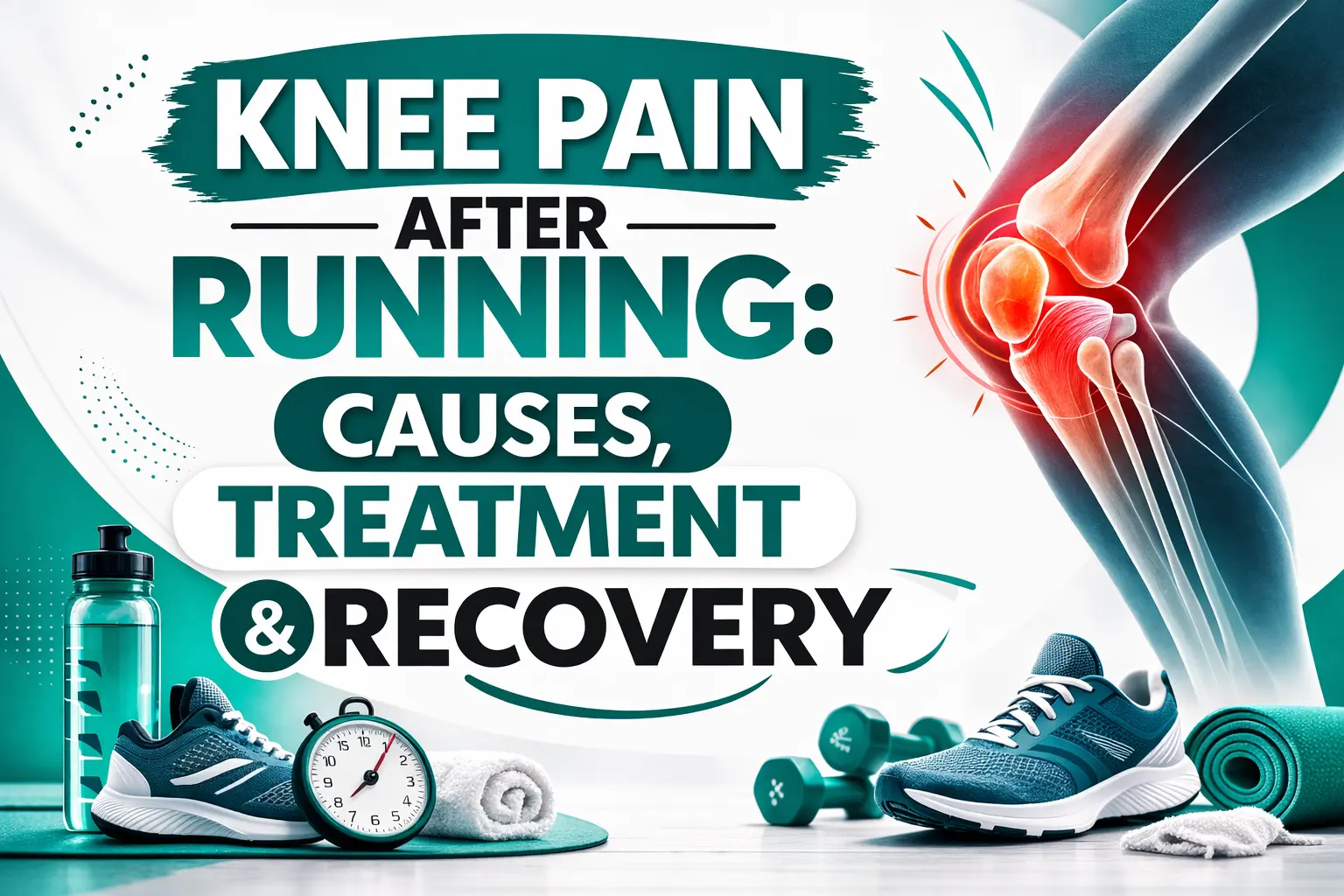
Running is one of the most effective ways to stay fit, improve cardiovascular health, and maintain an active lifestyle. However, many runners experience knee pain after running, especially after long-distance runs or sudden increases in training intensity.
The knee joint absorbs a large amount of impact during running. With every step, the knee bears forces that can be several times your body weight. When the muscles around the knee are weak or the training load increases too quickly, this repeated stress can lead to pain or discomfort.
If you've ever finished a run and wondered, Why does my knee hurt after running?, you're not alone. Knee pain is one of the most common complaints among runners, beginners, and even experienced athletes.
Understanding the causes, symptoms, and treatment options can help you recover faster and continue running safely.

The knee is a complex joint made up of bones, cartilage, ligaments, and tendons. During running, these structures work together to absorb shock and allow smooth movement.
Several factors can lead to knee pain while running or after running, including:
- Overuse from running long distances without adequate rest
- Sudden increase in running intensity or mileage
- Weak quadriceps or hip muscles
- Poor running posture or technique
- Running on hard or uneven surfaces
- Wearing worn-out or improper running shoes
When these factors put repeated strain on the knee joint, irritation or inflammation can develop, causing pain.
Common Causes of Knee Pain After Running
There are several conditions that may lead to knee pain after running. Identifying the cause helps determine the most appropriate treatment.
Runner's Knee (Patellofemoral Pain Syndrome)
One of the most common conditions among runners is runner's knee. This occurs when the cartilage under the kneecap becomes irritated due to repeated stress.
Typical symptoms include pain around the front of the knee, especially when running downhill, climbing stairs, or sitting for long periods.
Iliotibial Band Syndrome
The iliotibial band runs along the outer side of the thigh. Repetitive movement during running can cause friction and irritation in this band, leading to pain on the outer side of the knee.
Overuse Injuries
Running frequently without enough recovery time can strain the muscles and tissues around the knee, leading to inflammation and discomfort.
Muscle Imbalance
Weak hip or thigh muscles can affect the alignment of the knee joint, increasing pressure on certain parts of the knee during running.
Runner's Knee Symptoms
Recognizing runner's knee symptoms early can help prevent the condition from worsening. Common symptoms include:
- Pain around or behind the kneecap
- Knee pain during or after running
- Discomfort while climbing stairs
- Pain while squatting or bending the knee
- A popping or grinding sensation in the knee
- Mild swelling around the knee joint
If these symptoms continue for several days or worsen with activity, it is important to address the problem early.
Inner Knee Pain After Running
Some runners experience inner knee pain after running, which can occur due to strain on the inner structures of the knee.
Possible causes include:
- Minor ligament strain
- Meniscus irritation
- Muscle imbalance around the knee
- Improper running technique
Inner knee pain may start as mild discomfort but can gradually worsen if the underlying issue is not addressed.
How to Treat Knee Pain After Running
Knowing how to treat knee pain after running can help reduce discomfort and speed up recovery.
Rest and Reduce Running Intensity
Taking a short break from running helps reduce stress on the knee joint and allows inflamed tissues to heal.
Ice Therapy
Applying an ice pack for about 15–20 minutes can help reduce swelling and relieve pain.
Stretching and Strengthening Exercises
Strengthening the quadriceps, hamstrings, and hip muscles improves knee stability and reduces pressure on the joint.
Wear Proper Running Shoes
Shoes that provide proper support and cushioning can reduce impact on the knees.
Gradual Training Progression
Increase your running distance and intensity slowly to avoid overloading the knee joint.
Tips to Prevent Knee Pain While Running
Preventing injuries is always better than treating them later. Following healthy running habits can help reduce the risk of knee pain while running.
Helpful prevention tips include:
- Always warm up before running
- Stretch your muscles after workouts
- Strengthen your leg and core muscles regularly
- Gradually increase running distance and speed
- Use good quality running shoes
- Avoid running on very hard surfaces frequently
These steps can help keep your knees healthy and reduce the risk of injury.
When Should You See an Orthopedic Specialist?
Mild soreness after exercise is normal and usually improves within a few days. However, persistent pain should not be ignored.
You should consult a doctor if you experience:
- Continuous knee pain after running
- Swelling that does not improve with rest
- Difficulty bending or straightening the knee
- Knee instability or weakness
- Pain that lasts more than a week
- Knee pain that interferes with daily activities
Early evaluation can help identify the underlying problem and prevent further damage to the knee joint.
Get Expert Treatment for Knee Pain
If you are experiencing knee pain after running, it is important to understand the exact cause of the problem before it worsens.
Dr. Anuj Jain, an experienced orthopedic specialist with 15+ years of expertise in treating knee injuries and sports-related conditions, provides comprehensive diagnosis and personalized treatment for knee pain, ligament injuries, and joint problems.
👉 Don't ignore persistent knee pain. Book your consultation with Dr. Anuj Jain today and take the first step toward pain-free movement and a healthy, active lifestyle.