
Running Injuries: When to See an Orthopedic Doctor in Delhi
Medically reviewed by Dr. Anuj Jain, MBBS, MS (Orthopaedics), DNB (Gold Medalist), an orthopedic and sports injury specialist with over 10 years of experience.
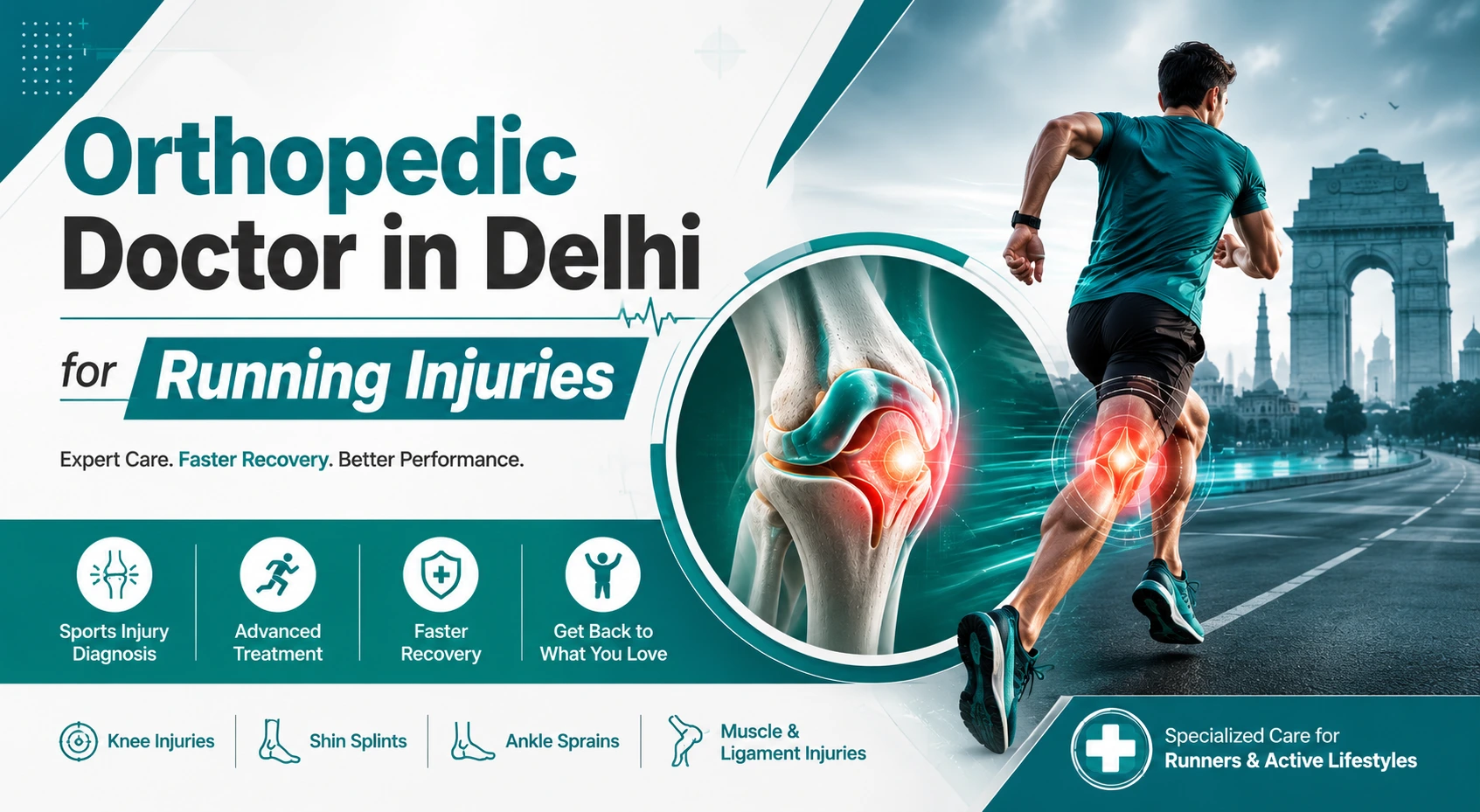
Regular running helps strengthen the cardiovascular system, enhance stamina, and contribute to better overall health. However, repetitive stress on the muscles, joints, and bones can sometimes lead to injuries. While many minor aches improve with rest, some conditions require professional evaluation and treatment.
Consulting an experienced Orthopedic Doctor in Delhi can help runners receive an accurate diagnosis, prevent complications, and return to their activities safely. With over 10 years of experience in orthopedic and sports injury care, Dr. Anuj Jain provides advanced treatment solutions for a wide range of running-related injuries.
Why Running Injuries Occur
Running places repetitive stress on the lower body. Factors that may increase injury risk include:
- Sudden increase in training intensity
- Poor running technique
- Inadequate warm-up
- Muscle weakness
- Improper footwear
- Overtraining
- Previous injuries
Recognizing symptoms early and seeking guidance from an Orthopedic Doctor in Delhi can help prevent long-term damage.
Common Running Injuries
Runner's Knee (Patellofemoral Pain Syndrome)
Runner's knee is one of the most common overuse injuries among runners. Symptoms may include:
- Pain around the kneecap
- Discomfort while running
- Pain when climbing stairs
- Knee stiffness after prolonged sitting
Early treatment can help prevent worsening symptoms.
Iliotibial (IT) Band Syndrome
The IT band is a thick tissue structure running along the outside of the thigh. Common symptoms include:
- Persistent pain experienced on the outside of the knee joint
- Increased discomfort during longer runs
- Tenderness around the knee area
Shin Splints
Shin splints are characterized by pain along the front or inner part of the lower leg. They commonly occur due to:
- Sudden increases in activity
- Excessive training
- Poor footwear support
Ignoring shin pain may increase the risk of more serious injuries.
Achilles Tendinitis
The Achilles tendon connects the calf muscles to the heel bone. Symptoms may include:
- Heel pain
- Stiffness in the morning
- Tenderness after activity
- Pain while running
Seeking timely assessment from an Orthopedic Doctor in Delhi may help minimize tendon damage and improve treatment outcomes.
Plantar Fasciitis
This condition affects the tissue that supports the arch of the foot. Common symptoms include:
- Heel pain
- Pain during the first steps in the morning
- Foot discomfort after prolonged standing
Stress Fractures
Stress fractures are small cracks in the bone caused by repetitive impact. Commonly affected areas include:
- Shin bone
- Foot bones
- Hip region
These injuries often require medical evaluation and activity modification.
Hamstring Strains
Hamstring injuries may occur due to muscle overload or inadequate flexibility. Symptoms may include:
- Sudden pain in the back of the thigh
- Muscle tightness
- Difficulty running
Warning Signs You Should Not Ignore
Many runners attempt to continue training despite pain. However, certain symptoms require professional attention.
Consult an Orthopedic Doctor in Delhi if you experience:
- Persistent pain lasting more than a few days
- Swelling around a joint
- Difficulty walking or running
- Joint instability
- Limited range of motion
- Pain that worsens with activity
- Recurrent sports injuries
Early diagnosis can help prevent further damage and support faster recovery.
How Running Injuries Are Diagnosed
A comprehensive orthopedic assessment may include:
Physical Examination
Your doctor will assess:
- Joint movement
- Muscle strength
- Pain location
- Functional limitations
Imaging Studies
Depending on the injury, investigations may include:
- X-rays
- MRI scans
- Ultrasound imaging
- CT scans
Accurate diagnosis is essential for effective treatment planning.
Treatment Options for Running Injuries
Treatment recommendations depend on the specific injury and severity. Common approaches include:
Activity Modification
Reducing or temporarily avoiding aggravating activities may support healing.
Physiotherapy
Rehabilitation programs help improve:
- Strength
- Flexibility
- Balance
- Movement patterns
Medications
Appropriate medications may help manage pain and inflammation when necessary.
Advanced Orthopedic Care
Some injuries may require specialized interventions or surgical treatment if conservative measures are unsuccessful.
An experienced Orthopedic Doctor in Delhi can recommend the most appropriate treatment plan based on individual needs.
Tips to Prevent Running Injuries
You can reduce injury risk by:
- Following a gradual training progression
- Wearing proper running shoes
- Maintaining flexibility
- Strengthening supporting muscles
- Incorporating rest days
- Practicing proper running mechanics
Preventive care is often the best strategy for maintaining long-term athletic performance.
Expert Advice from Dr. Anuj Jain
Dr. Anuj Jain specializes in orthopedic and sports injury management, helping patients recover safely and return to active lifestyles. His expertise includes:
- Sports injury treatment
- Knee injury management
- Joint preservation procedures
- Orthopedic rehabilitation
- Advanced surgical care
- Personalized treatment planning
His patient-centered approach focuses on achieving optimal recovery and long-term joint health.
Conclusion
Running offers numerous health benefits, but injuries can occur when the body is exposed to repetitive stress or inadequate recovery. Recognizing symptoms early and seeking professional care can help prevent complications and support a safe return to activity.
If you are experiencing persistent pain or a sports-related injury, consult Dr. Anuj Jain, an experienced Orthopedic Doctor in Delhi, for expert diagnosis and personalized treatment.
FAQs
1. What is the most common running injury?
Runner's knee is one of the most frequently reported running-related injuries.
2. When should I see an orthopedic doctor for running pain?
You should seek medical evaluation if pain persists, worsens, limits activity, or is accompanied by swelling or instability.
3. Can running injuries heal without surgery?
Many running injuries improve with conservative treatment such as rest, physiotherapy, and activity modification.
4. What causes shin splints?
Shin splints often develop due to overuse, sudden increases in training intensity, or inadequate footwear.
5. How can I prevent running injuries?
Proper training progression, strength exercises, flexibility work, and suitable footwear can help reduce injury risk.
6. Are stress fractures serious?
Stress fractures require prompt diagnosis and management to prevent progression and support proper healing.
7. Does physiotherapy help running injuries?
Yes. Physiotherapy plays an important role in rehabilitation, recovery, and injury prevention.
8. Where can I consult an Orthopedic Doctor in Delhi for running injuries?
Dr. Anuj Jain provides expert evaluation and treatment for sports injuries, running-related conditions, and orthopedic concerns in Delhi.
🎯 About Dr. Anuj Jain
Dr. Anuj Jain is a Senior Orthopaedic Surgeon with 16+ years of experience in knee replacement, robotic joint replacement, sports injury treatment, arthroscopy, and trauma care. He is a DNB Gold Medalist with advanced robotic surgery training from Singapore and is known for his patient-focused orthopaedic care across Delhi NCR and Noida.
Gentle Next Step
If a running injury is affecting your comfort, mobility, or daily routine, a Consultation with Dr. Anuj Jain can help you understand the cause and explore treatment options suited to your needs.
👉 Visit dranujjain.com to learn more.
Disclaimer: This article is for informational purposes only and does not replace professional medical advice. Always consult your doctor for proper diagnosis and treatment.

Useful Links
Our Services
Dr. Anuj Jain
 "Being an Orthopaedic Surgeons my aim is restoring mobility and keeping our nation in motion."Dr. Anuj JainM.B.B.S., M.S. (Orth), D.N.B. Gold Medalist